


Pony on brink of extinction amid neglect, shrinking grazing grounds
Source: Chronicle News Service / Premchand Thongam
Imphal, July 31 2025:
As the effects of global warming and climate change continue to bear down on ecosystems across the world, Manipur's indigenous pony breed, which is closely linked to the origin of polo, is steadily heading towards extinction.
Without concrete conservation efforts by the state government, there may come a time when the only surviving image of the once-proud animal is the bronze polo statue atop the Mar-jing Hills in Imphal East.
Currently, the state manages a Manipur Pony Breeding Farm located at Lamphelpat under the Department of Veterinary and Animal Husbandry.
However, recent heavy rainfall has once again left the farm inundated, forcing ponies out of their shelter and depriving them of space, safety and fodder.
The recurring flooding of the facility, with a limited capacity of just 100 to 150 ponies, has exposed vulnerability of the only state managed effort for pony conservation.
|
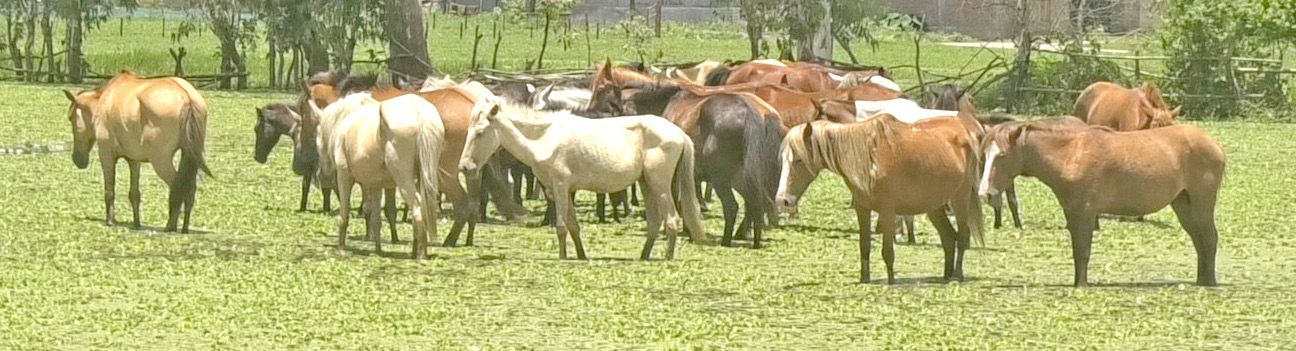
Ningthoukhongjam Ibungochoubi, a pony owner who has been involved in pony conservation for years, described the present condition of the animals as heart-wrenching.
He expressed concern over the way ponies are kept and treated, especially during the monsoon season when safe and dry grazing space becomes almost non-existent.
According to him, a large number of ponies are left to fend for themselves, often seen roaming the streets and rummaging through garbage piles.
Several have reportedly died after consuming toxic waste and single-use plastics or being hit by vehicles.
The Quinquennial Livestock Census had shown a consistent drop in the pony population between 2003 and 2017.While the census for 2024-25 has not yet begun, estimates suggest the number of ponies could have dwindled to just about 1,000, a sharp decline that raises alarm over the future of the horse breed.
Ibungochoubi identified rapid urbanisation and vanishing grazing lands as two major reasons behind the decline.
Wetlands, once used by ponies for seasonal grazing, have been overtaken by commercial and residential structures, leaving very little open space.
While the state government had adopted a pony conservation policy in 2016 and conducted surveys in four districts to develop grazing grounds, there has been no visible implementation of the plan.
Efforts to get the pony recognised as an endangered species like the Sangai deer have also faced roadblocks, as officials reportedly maintained that ponies do not qualify for such recognition since they are not categorised as wild animals.
In traditional practice, ponies are used in Sagol Kangjei, the original form of polo played in Manipur, which is held between October and April.
After the sporting season, ponies are let loose to graze in the open.
But the lack of protected grazing areas means that many are forced into urban streets where they face life-threatening hazards.
The looming extinction of the Manipur pony, a breed central to the identity of the state and the sport of polo, poses not only an ecological loss but also threatens to erase a vital piece of Manipuri heritage.
If the trend continues unchecked, questions may eventually arise over the very origins of polo - a game that traces its earliest form to this now - endangered breed.
 Comment

