


Dengue cases touch 138, Malaria-61, JE-10
Manipur grapples with mosquito-borne diseases
Source: The Sangai Express
Imphal, August 02 2025:
Manipur is grappling with a significant surge in mosquito-borne diseases, with 138 cases of Dengue, 10 cases of Japanese Encephalitis (JE), and 61 cases of malaria reported since January 1, 2025 .
According to official records, five new Dengue cases were reported today in Imphal West (2), Imphal East (1), Bishnupur (1), and Ukhrul (1), bringing the total caseload to 138.Imphal West has reported the highest number of Dengue cases at 73, followed by Imphal East (16), Thoubal (11), and Bislmupur (9).Other districts reporting Dengue cases include Chandel (1), Tengnoupal (1), Churachandpur (1), Kangpokpi (1), Senapati (1), Tamenglong (1), Kakching (4) and Kamjong (1) .
|
One Dengue-related death was reported in Bishnupur this year.
Apart from Dengue, Manipur is also experiencing a rise in malaria cases, with 61 reported so far this year.
Breaking down the cases, 54 are Plasmodium vivax (PV), four are Plasmodium falciparum (PF), and three are mixed infections.
PV and PF are the primary species responsible for most human malaria cases globally.
Kamjong reported the highest number of malaria cases, totalling 24, followed by Imphal West (9), Churachandpur (7), Tengnoupal (5), Noney (3), Thoubal (3), Pherzawl (2), Imphal East (2), Ukhrul (2), Bishnupur (1), Chandel (1), Kangpokpi (1) and Senapati (1) .
For Japanese Encephalitis (JE), the breakdown of cases is as follows: Imphal East reported 4 cases, Imphal West (2), Kangpokpi (1), Thoubal (1), Kakching (1), and Ukhrul (1).Speaking to The Sangai Express, State Malaria Officer Dr S Priyokumar said that Imphal West remains the most affected district for Dengue, with urban areas like the surroundings of 2nd Battalion of Manipur Rifles at Kabo Leikai and Sagolband Ingudam Leirak being highly affected.
Additionally, rural blocks such as Heirangoithong Maibam Leikai and adjacent areas are also impacted, he said.
Dr Priyokumar noted that Dengue, once considered a seasonal disease, is now reported throughout the year.
While Dengue was initially prevalent mostly in urban areas, it is now being reported from rural areas as well, he maintained and attributed the spread of Dengue to rapid urbanization, population growth, and improper water storage practices.
Inspections in Dengue-affected areas revealed a concerning presence of mosquito eggs and larvae in various items, including unused tires, broken pots, utensils used for religious purposes, and open water containers, he said and advised the public to regularly inspect objects that can hold water, eliminate mosquito breeding sites, and kill larvae and eggs to prevent Dengue outbreaks.
Preventing Dengue outbreaks requires not just Government efforts, but also significant involvement from the public, he said.
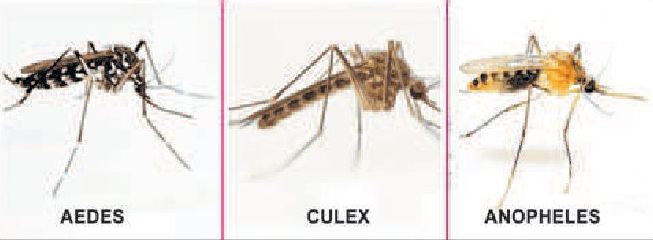
He also said that Aedes aegypti, the mosquito species responsible for Dengue fever, is active in daytime, urging people to take necessary precautions to prevent mosquito bites during the day.
Saying that the Health Department has been conducting awareness programmes to educate people about Dengue, in addition to inspecting breeding sites, he sought the public's cooperation in these efforts to combat the disease.
 Comment

